Exogenous ketones: forms and which to choose
On the shelves of sports nutrition stores, “ketones” are products very different in composition and action: from cheap powders with salts to expensive ready-made drinks with esters. The editorial team compared the main forms, explained how to read the label, and prepared criteria for choosing for specific tasks.
Chemical forms: salts, esters, precursors
The most common form on the market is beta-hydroxybutyrate salts. BHB as an acid is unstable and unpleasant in taste, so it is neutralized with minerals: sodium, potassium, calcium, or magnesium. Manufacturers often combine several salts to reduce the load of a single mineral and soften the taste.
Ketone esters are compounds in which a ketone body is joined to an alcohol, most often 1,3-butanediol. The most studied monoester (R)-3-hydroxybutyl (R)-3-hydroxybutyrate is broken down in the gut, releasing D-BHB, while butanediol is also converted into ketones in the liver. Diesters also exist, for example based on acetoacetate, which have been studied in sports works.
The third category is ketone precursors. These are free 1,3-butanediol and medium-chain triglycerides (MCT). They do not contain ready-made ketones, but the liver partially converts them into ketone bodies. The effect is less predictable and strongly depends on the dose and composition of the product.
Stubbs and colleagues (2017) compared an ester and a salt mixture in the same amount of BHB and showed that the ester gives a substantially higher concentration of D-BHB in the blood. Salt products also often contain the L-form, which adds to the total “ketone” in the composition but has little effect on energy metabolism.
D- and L-BHB: why stereoisomerism matters
The beta-hydroxybutyrate molecule has two mirror forms — D (or R) and L (or S). The human body produces and effectively oxidizes precisely the D-form. It is this form that household ketone meters measure and that is the main fuel in tissues.
Cheap chemical synthesis of BHB yields a racemic mixture, that is, roughly equal shares of the D- and L-forms. Therefore, in many salt products only about half of the declared BHB is the “natural” form. L-BHB is metabolized much more slowly and circulates in the blood longer.
Some manufacturers offer products with a pure D-form, usually labeled as “D-BHB” or “R-BHB.” They are more expensive, but for the same declared content give more effective fuel. Unfortunately, not all labels honestly indicate the form, so it is worth seeking this information separately.
The question of the biological role of L-BHB is still being studied: there are hypotheses about its signaling properties, but there is no convincing data on benefits for people. As of today the practical conclusion is simple — for energy purposes it is precisely the D-form that matters.
Physical forms: powder, drink, capsules
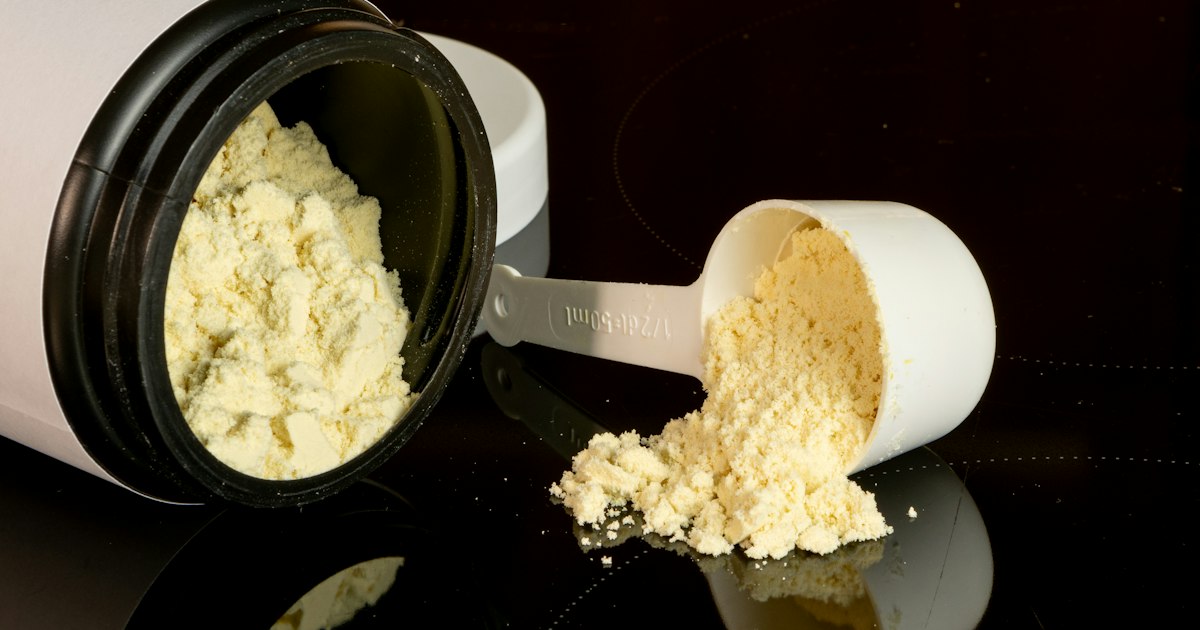
Powders are the most common option for salt products. They are diluted with water, usually have fruit flavors that mask the salty-bitter aftertaste. Powder allows flexible adjustment of the serving, which is convenient for testing tolerability.
Ready-made drinks are the typical form for ketone esters. The serving is fixed, the taste is very specific, and the price of a single serving is much higher than salt powders. In return, ester drinks give the most pronounced and predictable rise in ketones.
| Form | Typical content | Advantages | Disadvantages |
|---|---|---|---|
| BHB salt powder | D/L- or D-BHB salts | Affordable price, flexible serving | Minerals, moderate effect |
| Ready-made drink with ester | Ketone monoester | The strongest rise in BHB | High price, harsh taste |
| Capsules | BHB salts, often with other ingredients | Convenience, no taste | Very small amount of ketones per capsule |
| MCT oil or powder | C8/C10 triglycerides | Food product, versatility | Weak and inconsistent ketogenic effect |
Capsules look convenient but have a substantial limitation: only a small amount of substance fits in one capsule. To obtain a few grams of BHB, one would have to swallow many capsules, so such products rarely provide a noticeable rise in blood ketones.
Separately, there are combination products on the market where ketones are mixed with caffeine, MCT, amino acids, or plant extracts. Their action depends on all the components, and attributing the effect specifically to ketones in such a case is impossible.
How to read the label
The first thing worth paying attention to is whether the amount of BHB specifically is indicated, rather than the total mass of salts. In salts, part of the mass is the mineral, so “12 g of ketone salts” and “12 g of BHB” are different things.
The second is the form of BHB. The designation “D-BHB,” “R-BHB,” or “(R)-3-hydroxybutyrate” indicates the natural form. If the form is not indicated, the product most likely contains a racemic mixture.
- Amount of BHB per serving separately from the total mass.
- Stereoform: D, L, or a mixture.
- Content of sodium, potassium, calcium, magnesium per serving.
- Presence of caffeine, stimulants, and other additives.
- Results of independent quality testing, if the manufacturer provides them.
The third is the mineral profile. It is desirable for the manufacturer to indicate the amount of each mineral per serving. For people who limit salt, it is worth choosing products with a smaller share of sodium or consulting a doctor.
The fourth is additional ingredients, particularly caffeine. Athletes who compete should remember the risk of supplement contamination and, where possible, choose products with independent certification for the absence of banned substances.
Which form to choose for your goal
If the goal is simply to get acquainted with the feeling of ketosis or to test tolerability, it is reasonable to start with a powder of D-BHB salts or a quality mixture in a small serving. This is cheaper and allows adjustment of the dose.
For athletes who want to replicate the conditions of scientific studies, particularly regarding recovery during periods of heavy loads, ketone esters are more relevant, since it is precisely with them that most of the interesting results were obtained. At the same time, one should be prepared for the high price and specific taste.
People watching their weight should remember that no form burns fat. MCT oil may be appropriate as part of the diet on a ketogenic diet, but its ketogenic effect is modest, and it adds calories.
For people with hypertension, kidney or heart disease, salt forms are the least suitable due to the mineral load. In such cases, the question of the advisability of any ketones must be decided with a doctor.
Editorial conclusions
Exogenous ketones are represented by salts, esters, and precursors, which differ substantially in strength of action, composition, and price. Esters give the highest rise in D-BHB, salts a moderate one, and capsules and MCT the smallest.
When choosing, it is important to pay attention to the amount of BHB specifically, its stereoform, mineral profile, and additional ingredients. The D-BHB designation indicates the natural and most effective form.
The choice of form should match the goal, budget, and state of health. For most people there is no need for the most expensive products, and for some, ketones are not needed at all.
We also recommend reading our materials “How to take exogenous ketones: dosage, timing, duration,” “MCT oil: what it is and how it works,” and “Side effects of exogenous ketones.”
References
- Stubbs BJ, Cox PJ, Evans RD, et al. On the metabolism of exogenous ketones in humans. Front Physiol. 2017;8:848.
- Clarke K, Tchabanenko K, Pawlosky R, et al. Kinetics, safety and tolerability of (R)-3-hydroxybutyl (R)-3-hydroxybutyrate in healthy adult subjects. Regul Toxicol Pharmacol. 2012;63(3):401–408.
- Leckey JJ, Ross ML, Quod M, Hawley JA, Burke LM. Ketone diester ingestion impairs time-trial performance in professional cyclists. Front Physiol. 2017;8:806.
- Evans M, Cogan KE, Egan B. Metabolism of ketone bodies during exercise and training: physiological basis for exogenous supplementation. J Physiol. 2017;595(9):2857–2871.
- Vandenberghe C, St-Pierre V, Pierotti T, et al. Tricaprylin alone increases plasma ketone response more than coconut oil or other medium-chain triglycerides: an acute crossover study in healthy adults. Curr Dev Nutr. 2017;1(4):e000257.
- Maughan RJ, Burke LM, Dvorak J, et al. IOC consensus statement: dietary supplements and the high-performance athlete. Br J Sports Med. 2018;52(7):439–455.
Andriy Melnyk
A strength-sports coach and author of programs for beginner and intermediate levels. Writes about training planning.